AI Debt Collection Software for Rural Banks: A Practical Guide
AI debt collection software built for rural banks? Learn what regulated BPRs actually need, how agentic AI fits your workflow, and where to start. Read
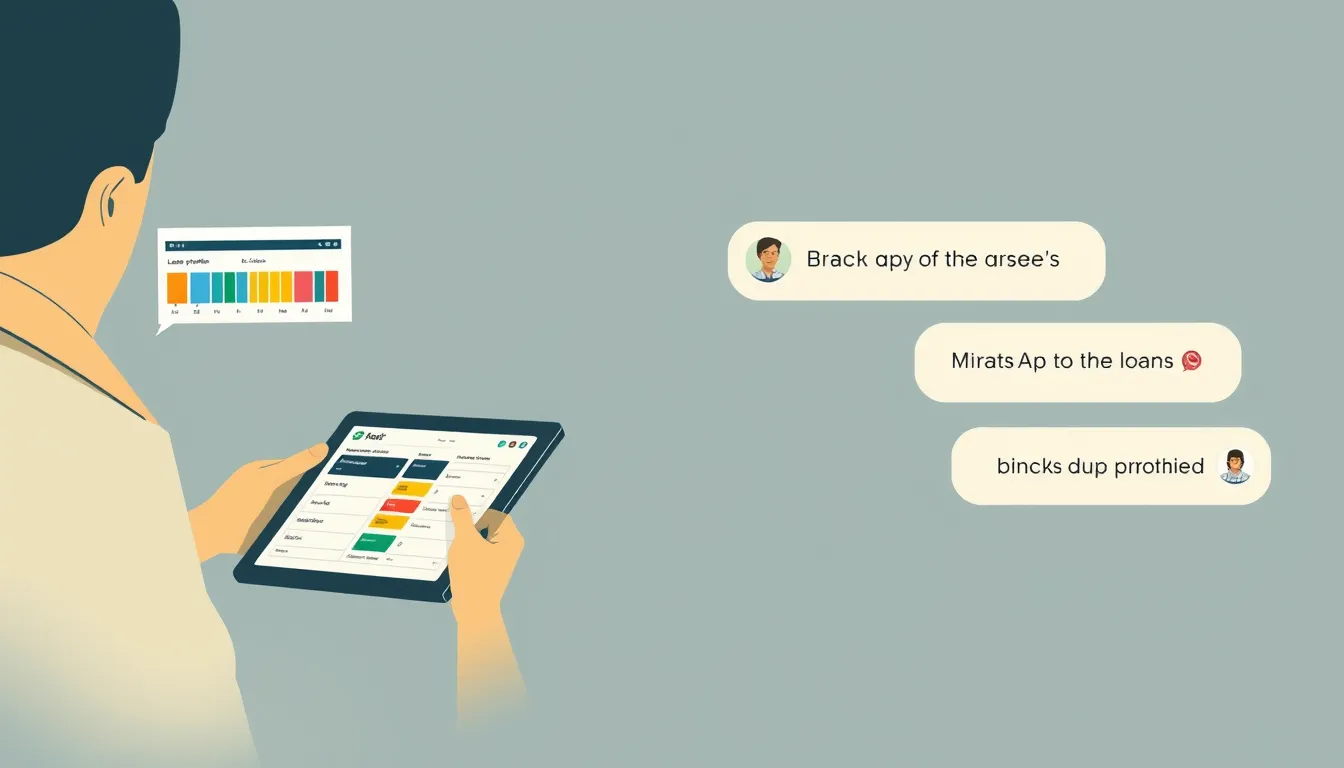
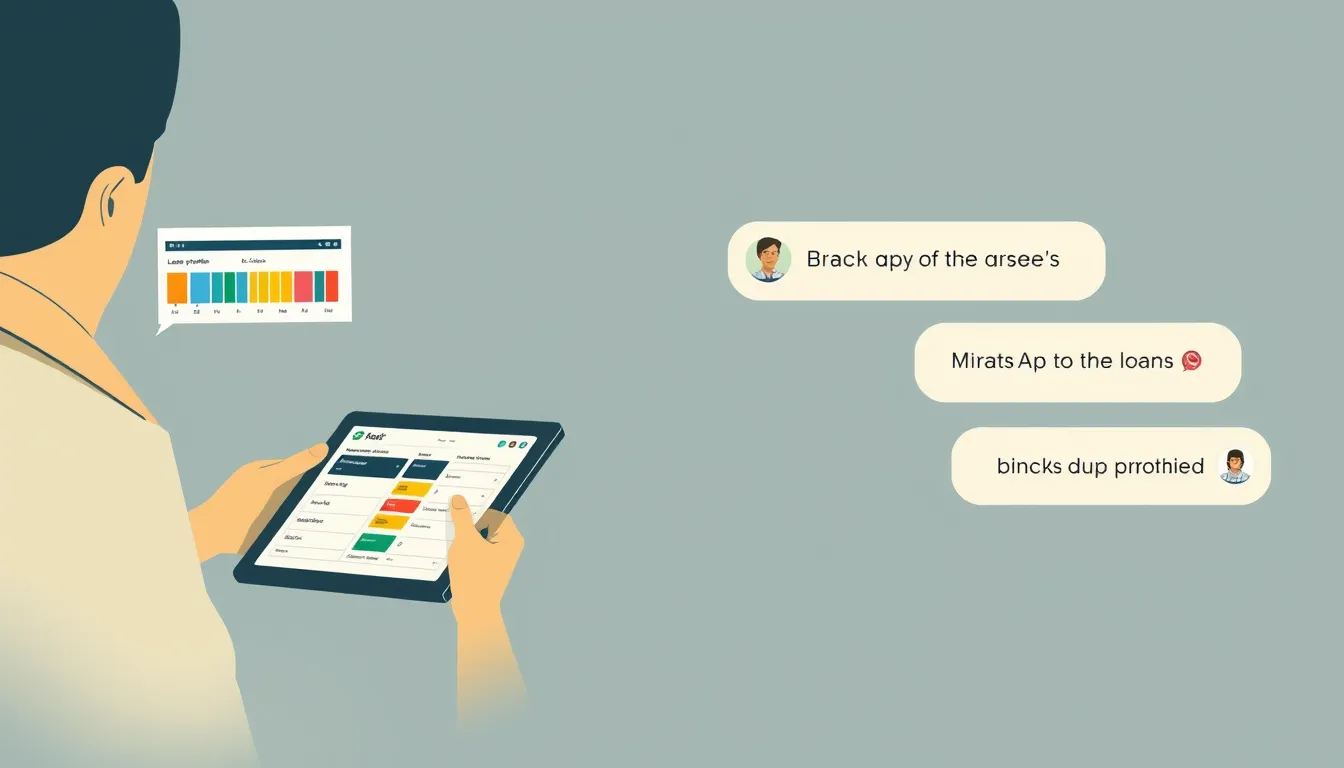
Why Generic Collections Software Falls Short for Rural Banks
AI debt collection software is a broad category. Most of the tools built under that label were designed for large consumer lenders — high-volume, standardised loan books, centralised call centres, and IT teams to match. A Bank Perkreditan Rakyat (BPR) operates in a fundamentally different context: a loan portfolio built on personal relationships, field officers who know their borrowers by name, and a regulator—Otoritas Jasa Keuangan (OJK)—that expects documented processes and clear accountability at every step.
That mismatch matters. Bolting on a generic collections tool can create more compliance risk than it resolves. This guide looks at what AI debt collection software actually needs to do when the institution is a rural bank operating under OJK supervision, and how an agentic approach changes what is possible.
What the Collections Workflow Actually Looks Like at a BPR
Before evaluating any technology, it is worth being concrete about the workflow. A typical BPR collections cycle moves through distinct stages:
- Pre-overdue (0 days past due): proactive reminder sent before the due date — the cheapest intervention and often the most effective.
- Early arrears (1–30 DPD): structured contact cadence, usually WhatsApp or phone, aiming to secure a promise-to-pay before the account ages further.
- Mid arrears (31–90 DPD): field officer visit scheduling, repayment plan negotiation, and escalation to a collections supervisor.
- Non-performing (90+ DPD): formal non-performing loan (NPL) classification under OJK rules, restructuring review, and documentation for the supervisory report.
At each stage, staff need to know who to contact, in what order, through which channel, and what to say. In a 40-branch BPR in West Java, that coordination can involve dozens of field officers working across dispersed areas with inconsistent connectivity. Manual WhatsApp broadcasts and spreadsheet trackers are the current state at many institutions — functional, but not auditable and not scalable.
What Makes an AI Collections Tool Appropriate for Regulated Rural Banks
Not every AI tool that claims to automate collections is suitable for a supervised institution. The design considerations that matter for a BPR are:
Audit-grade interaction records. OJK supervisory frameworks expect institutions to demonstrate what was communicated to a borrower, when, and by whom. A system that sends WhatsApp messages without tamper-evident logging is a liability, not an asset. Every outbound message, every borrower response, and every escalation decision should be captured in a form that can be exported and reviewed.
Human-in-the-loop gates. AI should surface the next best action; a qualified staff member should authorise it for sensitive cases. Restructuring offers, legal notices, and any communication that affects a borrower's credit classification are not decisions an automated system should make alone. An appropriate collections AI keeps those approval gates explicit and documented.
Shadow mode before live deployment. Deploying any automation directly into a live loan portfolio is a risk that compliance-conscious institutions rightly resist. A shadow mode — where the AI generates recommendations that run in parallel with existing processes before any live action is taken — allows the operations team to validate behaviour, catch edge cases, and build internal confidence before switching on automation.
Data minimisation by design. Indonesia's personal data protection law (Undang-Undang Pelindungan Data Pribadi, or UU PDP) places obligations on how borrower data is stored, processed, and shared. A collections tool that ingests broad borrower datasets into external systems without clear data-boundary controls creates exposure. The safer design processes only the data needed for the specific communication or triage task.
OJK-aligned by design, not by retrofit. Regulatory alignment should be a design principle, not something patched on after the product is built. This means the system's workflow logic reflects OJK's collections conduct expectations — contact frequency limits, required disclosures, and appropriate escalation paths — from the start.
Where Agentic AI Differs From Workflow Automation
Many institutions have already adopted some form of workflow automation — scheduled SMS blasts, templated WhatsApp messages triggered by a due-date field, or rule-based call lists. These are useful but limited. They handle what can be fully pre-scripted.
The agentic layer addresses the rest: conversations that deviate from the script, borrowers who ask questions, cases where the context determines the right next action and that context is not captured in a single data field.
Consider a borrower who receives a pre-overdue reminder and responds: "I can pay half this week and the rest next Friday — is that acceptable?" A scripted workflow cannot handle that reply. It either ignores it or routes it to a human queue with no context. An agentic AI can recognise the intent, check whether a partial payment is within the parameters the collections supervisor has set, record the informal promise-to-pay, and flag it for human confirmation — all within the same WhatsApp thread, with a full audit trail.
This is not AI replacing human judgement on credit decisions. The parameters are set by the collections team. The confirmation still comes from a person. The AI is doing the coordination and documentation work that currently falls on field officers and supervisors at volume.
Tier-Tailored Reporting and the Operations Director's View
One underappreciated requirement for BPR collections technology is hierarchical reporting. A BPR with multiple branches needs its operations director to see portfolio health across all branches, while each branch head sees only their own book. Field officers see only the accounts assigned to them.
Generic collections software often has a flat permissions model that does not map cleanly onto this structure. Tier-tailored reporting — where the same underlying data surfaces at different levels of aggregation depending on the user's role — is a basic operational requirement for multi-branch rural banks, not a premium feature.
For institutions that also use CadenceLink for internal communications, this hierarchy already exists as a foundation. Collections reporting can layer on top of the same organisational structure, giving operations directors a consolidated view without requiring separate data exports.
ResolveLink: Aureus Automation's Collections AI for Rural Banks
ResolveLink is Aureus Automation's AI-assisted collections and arrears resolution product, purpose-built for Indonesian rural banks. It is currently in early access, with commercial launch planned for Q1 2027.
The product is designed around the workflow stages described above: pre-overdue nudges through WhatsApp, structured contact cadences for early arrears, field officer task assignment for mid-arrears cases, and promise-to-pay tracking with audit-grade records throughout.
Key design principles reflect the regulatory environment directly:
- All borrower communications are logged with tamper-evident records suitable for OJK reporting.
- Human approval gates are built into the workflow for restructuring discussions and escalations.
- Institutions onboard in shadow mode first, validating AI recommendations against live data before enabling automated outbound contact.
- Data processing is scoped to what each workflow step requires, consistent with UU PDP obligations.
ResolveLink is not a standalone collections call centre replacement. It is the agentic layer on top of the institution's existing core banking system and field operations — handling the dynamic, conversational, and coordination work that current tools and manual processes struggle to do at scale.
Security documentation for ResolveLink is available to institutions under NDA during the early access programme.
Choosing the Right Path Forward
If you are evaluating AI debt collection software for a BPR or multifinance institution, the evaluation criteria should be concrete:
- Does the system produce audit-grade records in a format your compliance team can work with?
- Are human approval gates explicit and configurable by your operations team?
- Can you run in shadow mode before any live automation touches your borrower book?
- Does the data model respect UU PDP obligations without requiring significant IT integration work?
- Does the reporting hierarchy match your organisational structure?
A tool that cannot give clear, documented answers to all five should not be in your shortlist, regardless of the marketing.
For institutions interested in seeing how ResolveLink handles these requirements in practice, we are onboarding a limited number of early access partners ahead of the Q1 2027 commercial launch. Get in touch to see what this looks like in your operation.