AI WhatsApp Collections for Rural Banks in Indonesia
How Indonesian rural banks (BPRs) can use AI WhatsApp collections to reduce arrears workload, stay OJK-aligned, and keep humans in control.
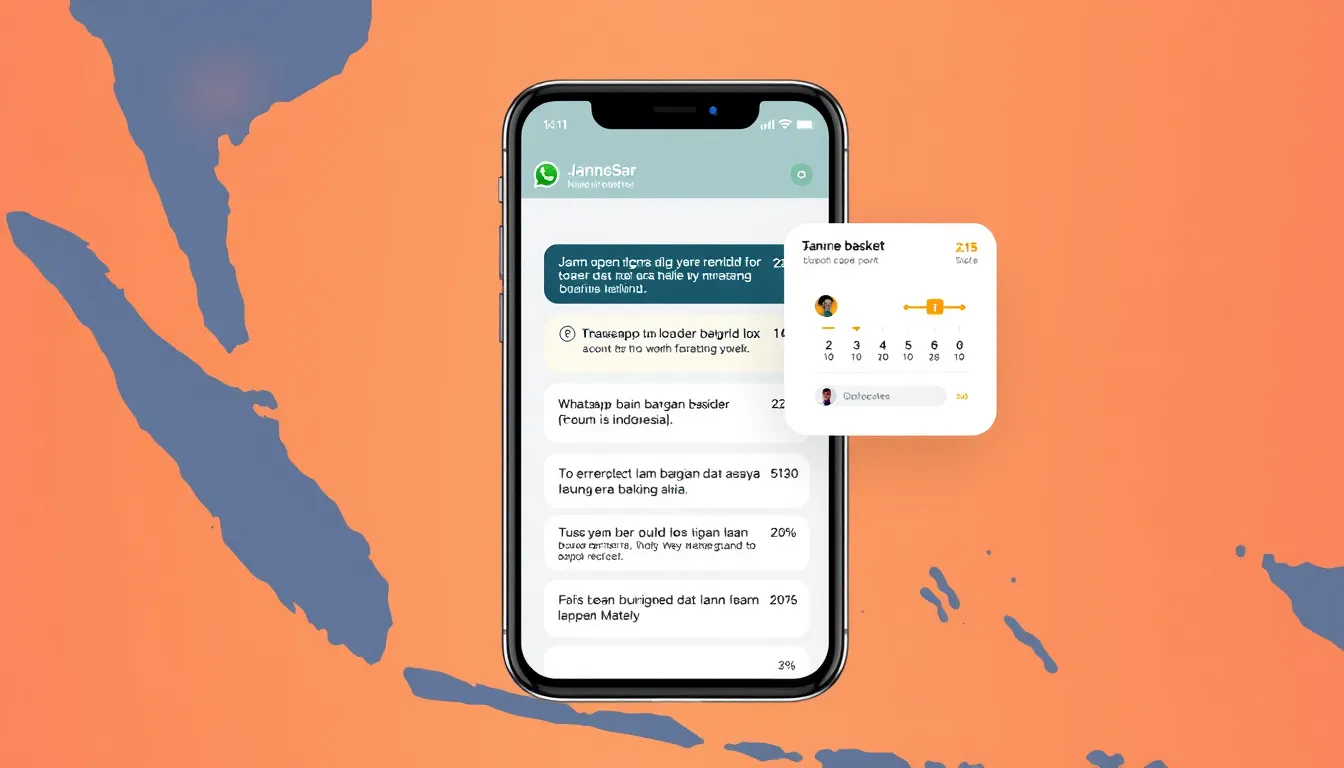
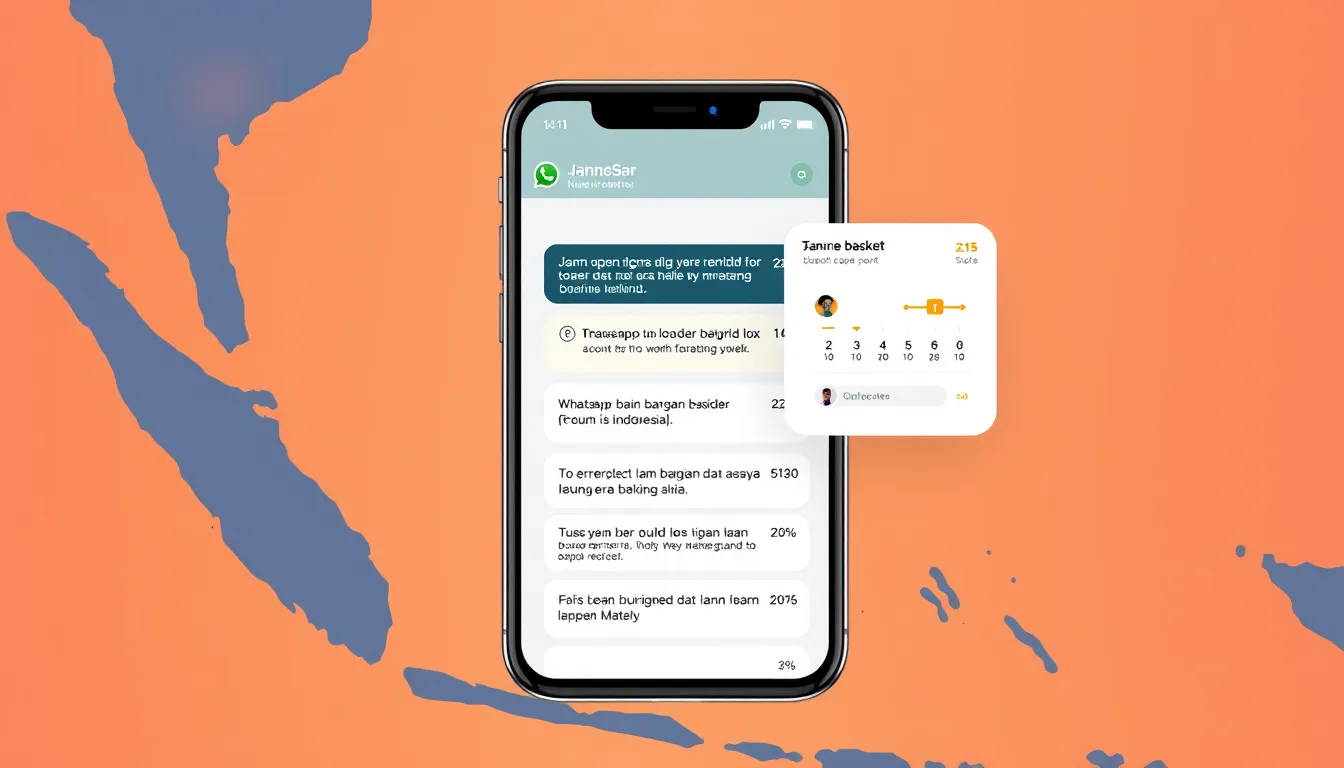
Why WhatsApp Is the Right Channel for BPR Collections
AI WhatsApp collections for rural banks in Indonesia are not a novelty — they are a response to a structural problem that every BPR (Bank Perkreditan Rakyat) operations head already knows well. Your borrower base is spread across multiple kecamatan, many have no email address, and your field officers are already stretched across dozens of accounts each. WhatsApp, meanwhile, is where your borrowers actually are.
In practice, this means a collections workflow built around WhatsApp reaches borrowers faster, at lower cost per contact, and with response rates that phone-call campaigns rarely match. The question is not whether to use WhatsApp — most BPRs already do, informally. The question is how to do it in a way that is consistent, audit-traceable, and aligned with OJK (Otoritas Jasa Keuangan) supervisory expectations around fair treatment and documentation.
This article walks through what an AI-assisted WhatsApp collections process looks like in practice, where human judgement still belongs, and what a BPR should look for when evaluating any such system.
What the Workflow Actually Looks Like
Imagine a 40-branch BPR in West Java with roughly 8,000 active loan accounts. At any given month-end, perhaps 600 of those accounts are approaching a payment date within the next five days — pre-overdue, not yet delinquent. Another 300 are already one to thirty days past due. And a smaller cohort are deeper in arrears and need direct human contact.
An AI WhatsApp collections system segments these groups and handles each differently:
Pre-overdue (D-1 to D-5): The agent sends a friendly, personalised payment reminder — borrower name, instalment amount, due date, and a payment confirmation link or instruction. The tone is service-oriented, not threatening. No compliance risk, no field-officer time consumed.
Early overdue (DPK/Bucket 1): The agent initiates a structured conversation. It can confirm whether the borrower has already paid and is waiting for reconciliation, offer a promise-to-pay (PTP) commitment, or surface a reason for the delay. If the borrower indicates hardship or requests a restructuring discussion, the conversation is flagged and routed to a human collections officer — the agent does not negotiate terms.
Mid-arrears (Bucket 2–3): Outreach continues at a reduced cadence, but the agent's role shrinks. Conversations are shorter, escalation triggers are set lower, and field-officer assignment recommendations surface in the operations dashboard.
Deep arrears: Fully human-managed. The AI supports by keeping the contact history complete and surfacing relevant prior interactions for the officer who takes the account.
At every stage, every message sent, every borrower reply, every escalation trigger, and every human action is written to a tamper-evident audit trail. If an OJK examiner asks for the contact history on a specific account, it is there in full.
The Human-in-the-Loop Principle
One concern operations directors raise consistently: will the AI say something that creates regulatory or reputational exposure? It is a fair question.
The way a well-designed system manages this is through human approval gates at key decision points and a mandatory shadow mode during onboarding. Shadow mode means the AI generates responses and proposed actions, but nothing is sent to a borrower until a human reviewer approves it. The BPR's collections team sees the agent's draft, can edit or reject it, and builds confidence in the system before it operates autonomously.
After shadow mode, the institution sets its own automation thresholds — which message types run fully automated, which require approval, and which are off-limits for AI entirely. Restructuring discussions, legal notices, and any communication touching collateral remain human-only. The agentic layer is there to handle volume and consistency; it is not there to replace officer judgement on sensitive accounts.
OJK Alignment and UU PDP Considerations
Indonesian rural banks operate under OJK supervisory frameworks that set clear expectations around borrower communication — frequency, channel appropriateness, and documentation. Any AI collections tool deployed at a BPR needs to be designed with these constraints in mind from the start, not retrofitted later.
Key design considerations include:
- Contact frequency controls: The system must enforce configurable caps on how often a borrower can be contacted within a given period, preventing the kind of harassment patterns that OJK examiners flag.
- Opt-out handling: If a borrower requests to stop receiving WhatsApp messages, that preference must be recorded and honoured immediately — and that record must be auditable.
- UU PDP (Undang-Undang Perlindungan Data Pribadi) compliance: Borrower data flowing through the system must be handled with data minimisation principles in mind. The agent should only access the data it needs for each specific interaction — not the full credit file.
- Message content standards: The language used in automated messages must meet OJK fair-treatment expectations. This means no implied threats, no disclosure of borrower status to third parties, and tone that remains professional at all stages.
These are design requirements, not legal guarantees — every BPR should have its own legal and compliance review before deploying any new collections channel. But the architecture of the system should make compliance easier to demonstrate, not harder.
What to Look For When Evaluating a System
Not every AI WhatsApp collections product is built for BPR operating conditions. Here is a practical checklist for evaluating options:
| Requirement | Why It Matters |
|---|---|
| Bahasa Indonesia support, including regional register awareness | Borrowers in rural Java or Sumatra communicate differently from urban borrowers |
| Integration with your existing core banking system | PTP commitments and payment confirmations need to sync with actual account data |
| Tamper-evident audit logs exportable per account | Required for OJK examination and internal audit |
| Configurable contact frequency caps | Prevents regulatory exposure from over-contact |
| Shadow mode for onboarding | Allows your team to validate behaviour before full automation |
| Clear escalation routing to human officers | No AI should handle restructuring or legal-stage accounts autonomously |
| Data residency options appropriate for OJK expectations | Sensitive borrower data should not leave jurisdictions without clear policy |
| Security documentation available under NDA | Serious vendors can provide this; treat absence as a red flag |
A system that cannot answer 'yes' to all eight of these is not ready for a regulated Indonesian BPR — regardless of how the demo looks.
How AgentLink Fits Into This Picture
AgentLink is Aureus Automation's AI WhatsApp agent for fintech customer workflows, currently in early access. It is built specifically for the operational realities described above — hierarchical organisations, regulated borrower communications, and the need for a full audit trail on every interaction.
For collections specifically, AgentLink handles pre-overdue reminders, early-arrears outreach, and promise-to-pay capture, with escalation routing built in. It operates on top of a BPR's existing core banking and field-officer systems — it is the agentic layer, not a replacement for the systems already in place.
For BPRs that also need to coordinate across branches and reporting lines, CadenceLink (available now) handles the internal communication layer — structured reporting, escalation alerts, and tier-tailored reporting flows between branch staff and operations leadership.
ResolveLink, our AI-assisted collections and arrears resolution product designed specifically for rural banks, is in early access ahead of its commercial launch in Q1 2027. It goes deeper into arrears triage, collector workload distribution, and resolution tracking for institutions managing larger NPL (Non-Performing Loan) portfolios.
Getting Started Without the Risk
The biggest hesitation BPR operations teams express is not about the technology — it is about deploying something new in a regulated environment without adequate visibility. Shadow mode exists precisely to remove that barrier. You see every message before it goes out. You review the escalation logic before it routes a live account. You sign off before the system runs independently.
If you are evaluating AI WhatsApp collections for your rural bank and want to understand what this looks like against your actual loan portfolio and OJK reporting requirements, we would like to hear from you. See what this looks like in your operation — get in touch with the Aureus team.